



Product Attributes
From sources to market, delivering premium products straight to your business.
Scientific Name
Ompok pabda
Product State
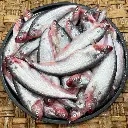
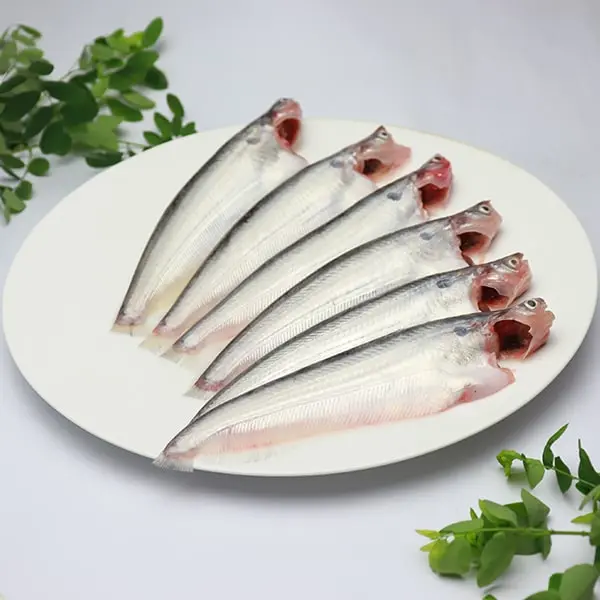
Fresh, Whole Fish (often sold chilled on ice or frozen).
Grade
A
Origin
Freshwater rivers and ponds of Bangladesh
Country of Origin
Bangladesh
Harvest Season
Year-round, with peak season from May to October
Appearance
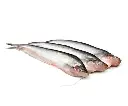
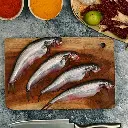
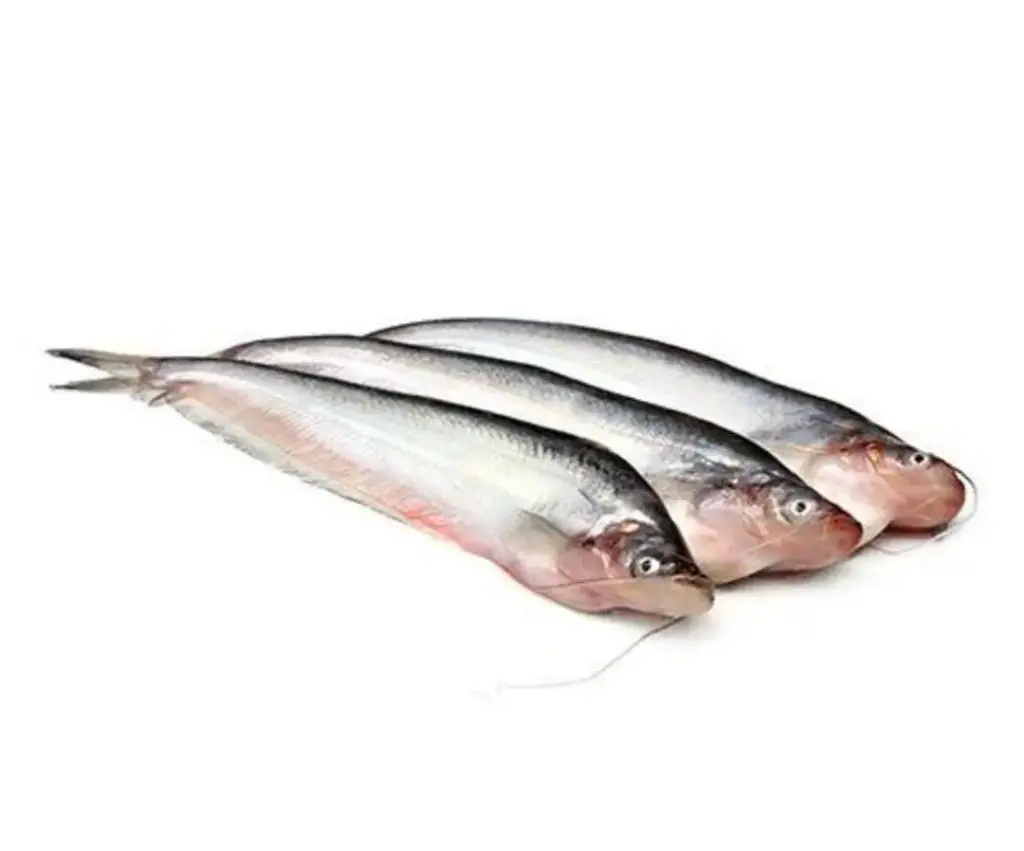
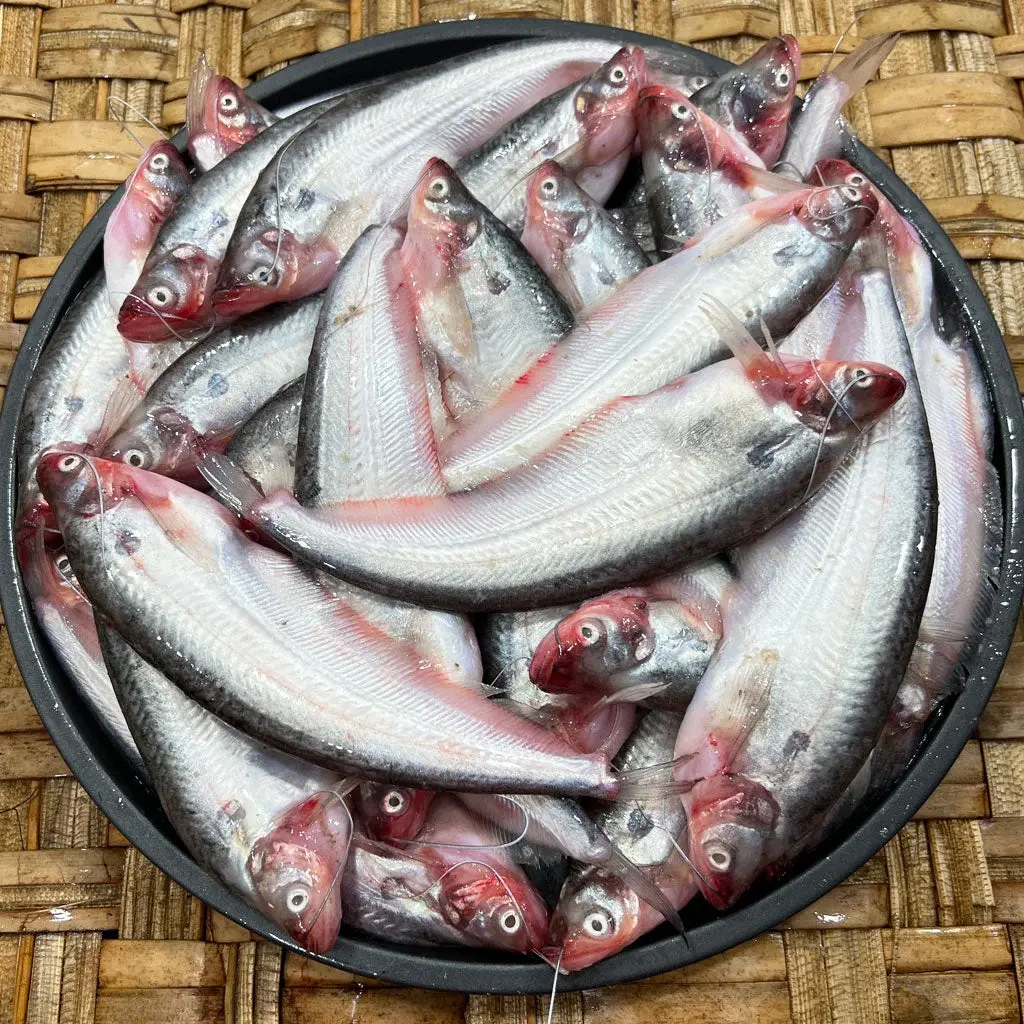
Elongated and laterally compressed body; scaleless; head is dorso-ventrally flattened. Two pairs of barbels (maxillary pair is long). Color is generally silvery-grey with a gold gloss and sometimes faint dark longitudinal bands or a dark shoulder spot.
Taste Profile
Delicious, mild, and sweet taste with a rich aroma. Flesh is soft, slippery, and extremely flavorful (hence "Butter Catfish"). Cooked with minimal spices to preserve its delicate flavor.
Average Weight
200–600 grams per fish (fillets typically 100–200 grams each)
Shelf Life
2–3 days fresh at refrigeration temperatures, up to 6 months frozen
Storage Condition
0–4°C for fresh, -18°C or lower for frozen
Leadtime
5–7 working days after order confirmation
Our Honest Product review
- Eating Comfort (The 'Boneless' Appeal): The key selling point is its soft, slippery texture and pin-boneless muscle structure, which removes the hassle of eating fish, making it a favorite for all ages.
- Premium Flavor: It is considered one of the best-tasting freshwater catfishes in the region, with a delicate, buttery flavor that is highly prized and commands a significant market price.
- Nutritional Superiority: Pabda is a lean protein source with lower fat than many carps, but boasts an excellent concentration of Omega-3 fatty acids, making it a fantastic choice for heart and brain health.
Usage
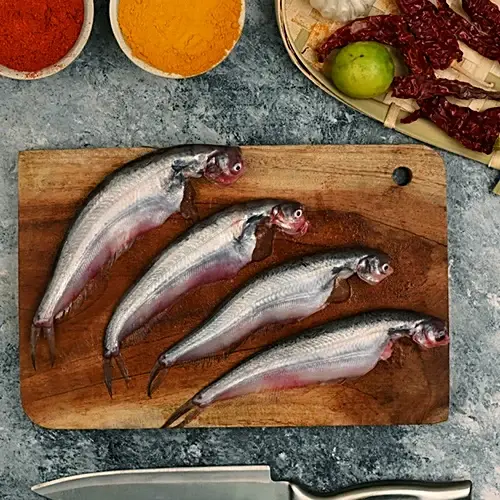
- Staple Curry: A highly esteemed food fish used in light, delicate curries like Pabda Macher Jhol (often prepared with black cumin seeds, or Kalo Jeerer Jhol) or simply fried.
- Health and Convalescence: Highly recommended for children, the elderly, and invalids due to its soft, easily digestible flesh and minimal bones. Used in traditional food culture for its cooling properties.
- Aquaculture: Highly favored for farming due to its market price and nutritional quality, though its delicate nature requires specialized management (e.g., high-protein feed, good dissolved oxygen levels).
- Ornamental Use: Its unique appearance and long barbels have recently increased its popularity among fish hobbyists and in the ornamental fish trade.
Certification
Complimentary Product Certificates
- Certificate of Origin
Product Certificates available on request
- IQF
- Phyto Sanitary
- Halal
Packaging & Shipping
Packaging Options
Shipping & Export Info
- Minimum Order Quantity: 1000 kg
- Shipping Options: Sea Freight (preferred), Air Freight for quick orders